problem and solution discovery through workshop facilitation
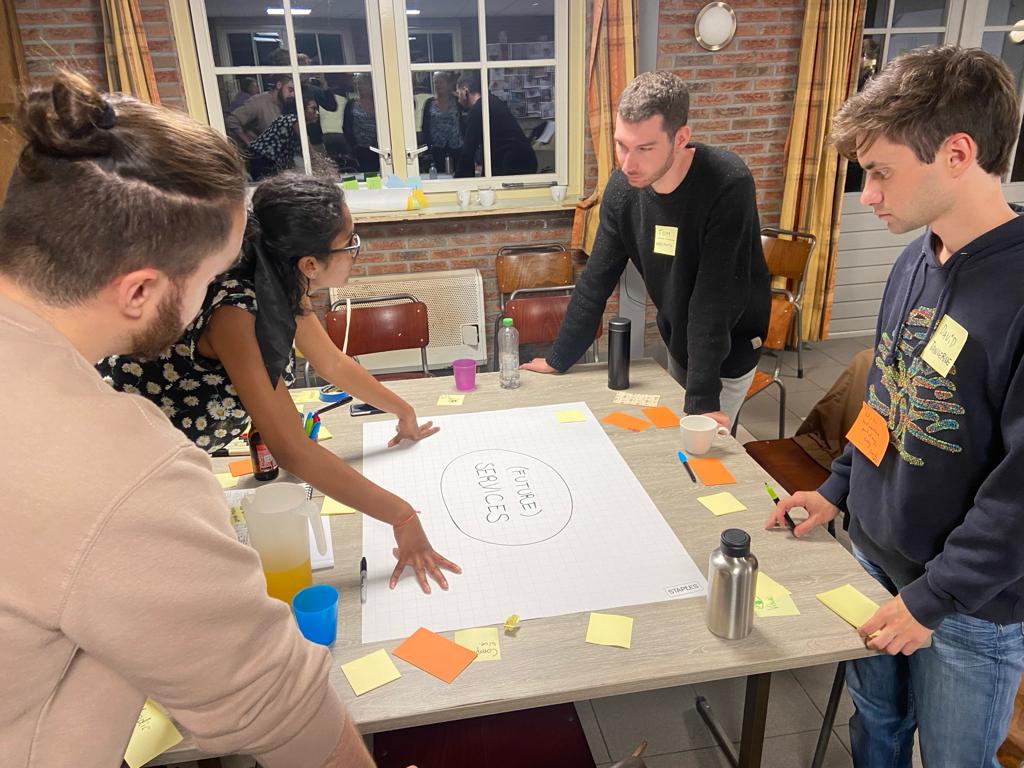
The TU Delft's Creative Facilitation Course equipped me to facilitate workshops effectively. I gained practical skills in problem reframing, brainstorming, and collaboratively developing concepts. Through the course, I planned and led two workshops, participating in others to hone my skills in tackling client challenges with strategic and innovative solutions. This training empowered me to facilitate virtual and physical workshops for well-respected organizations.
Challenge
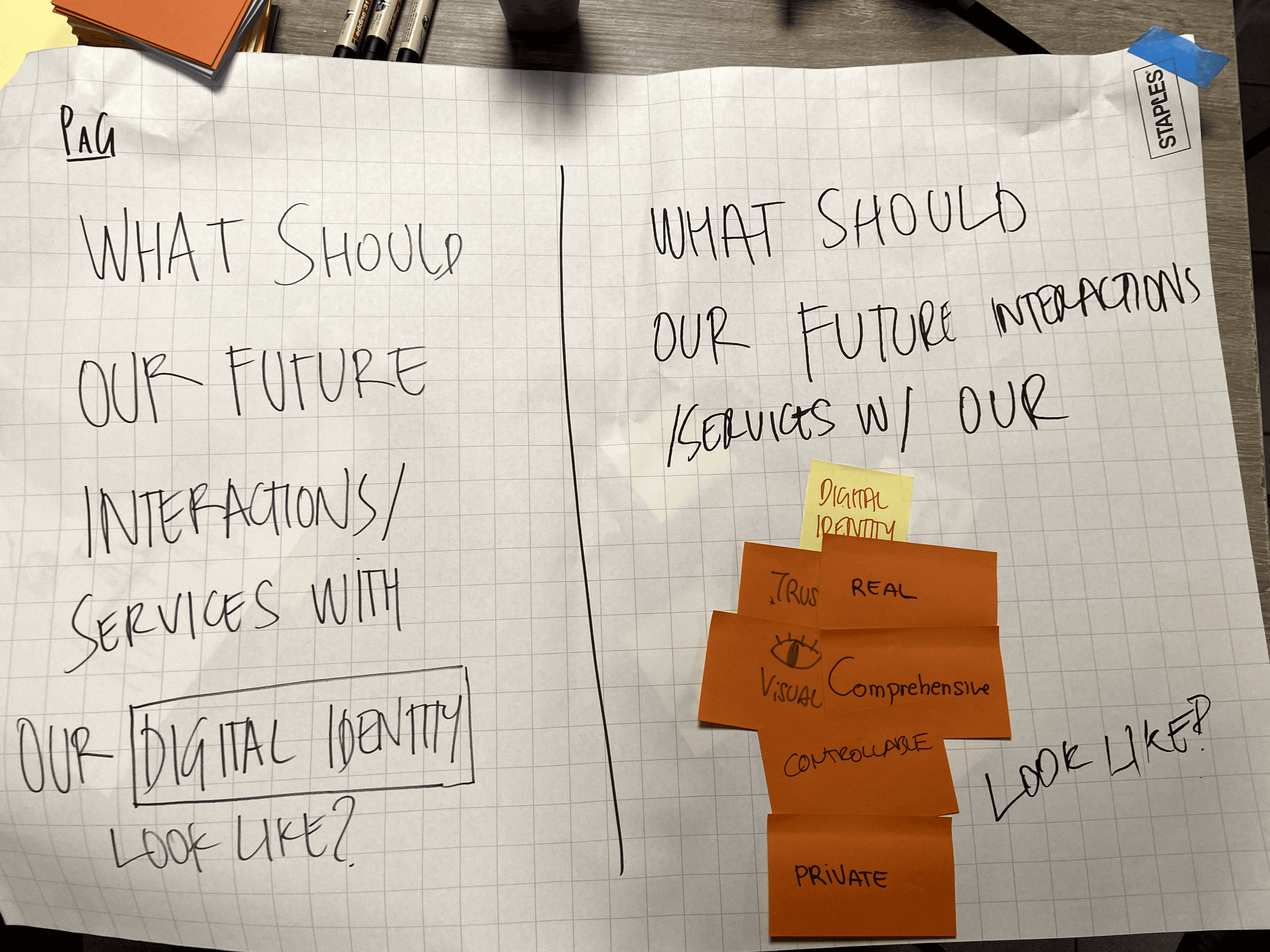
I received the topic of "What should our future interaction with our Digital Identity (wallet) look like?" to facilitate the workshop on.
My responsibilities
Following a client intake for Innopay, I tailored the workshop setup to their specific needs and brief. This required a more conceptual approach compared to usual, emphasizing problem exploration and definition before diving into concrete solutions. Based on this, I curated a selection of facilitation methods designed to drive the desired outcomes.
Outcome
The workshop plan utilized carefully chosen methods and tools to stimulate creative thinking, leading to the generation of innovative concepts. These concepts served as a springboard of inspiration for the problem owner, empowering them to move forward with potential solutions.
Timeline
September 2022 | 2 weeks
My role
Main workshop facilitator
Contributors
Buddy : Sebastian
Observer : Mark
Participants : 4
Tools
Miro, Co-creative methods
for problem and solution
discovery
Client
Innopay
Owner : Melissa
Location
TU Delft, MSc Strategic Product Design
Workshop planning
Session results
Other workshops
Session planning
Conducting session
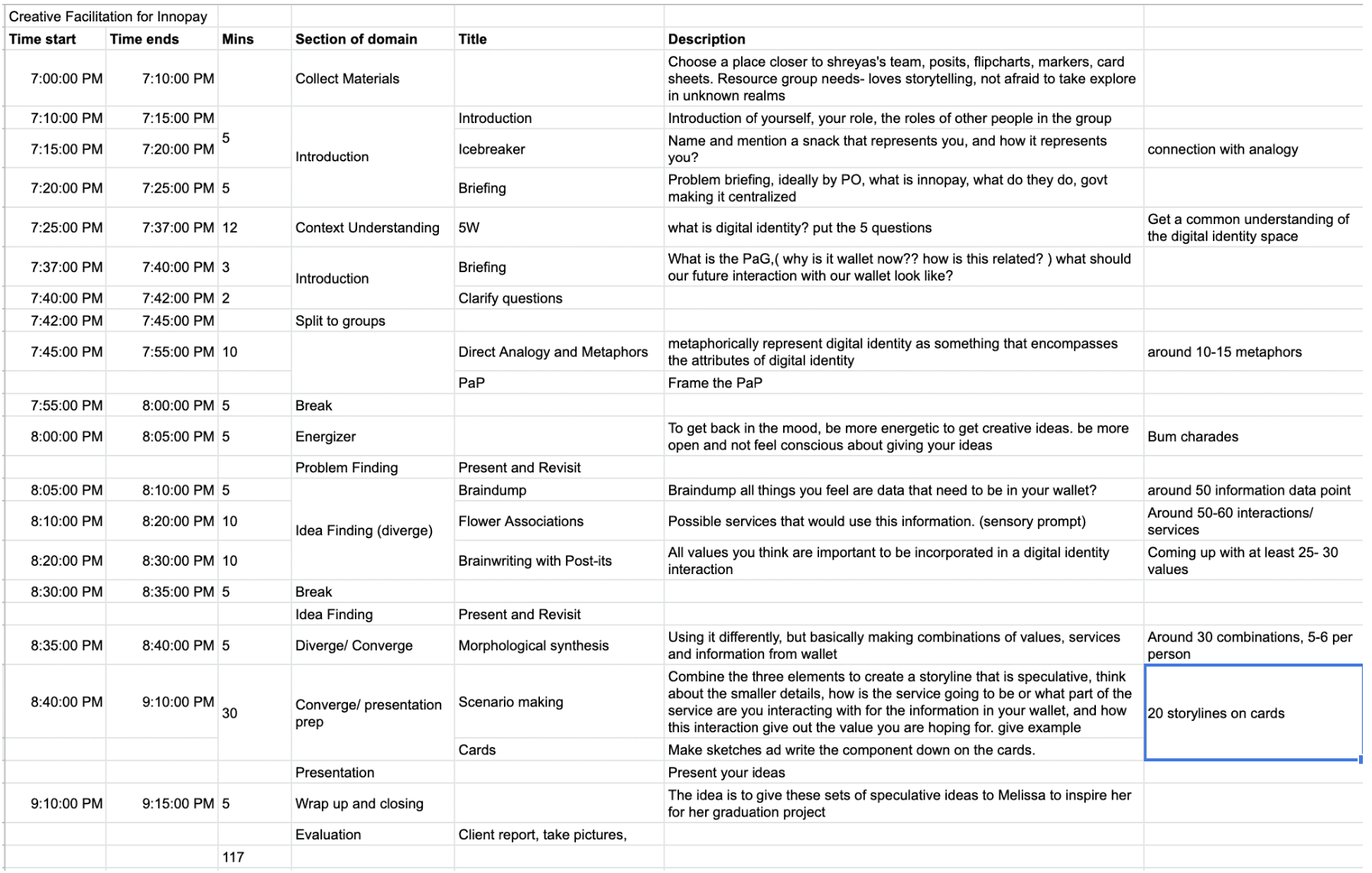
Workshop plan,
method selection
Establishing the workshop setup, methods and resources required.
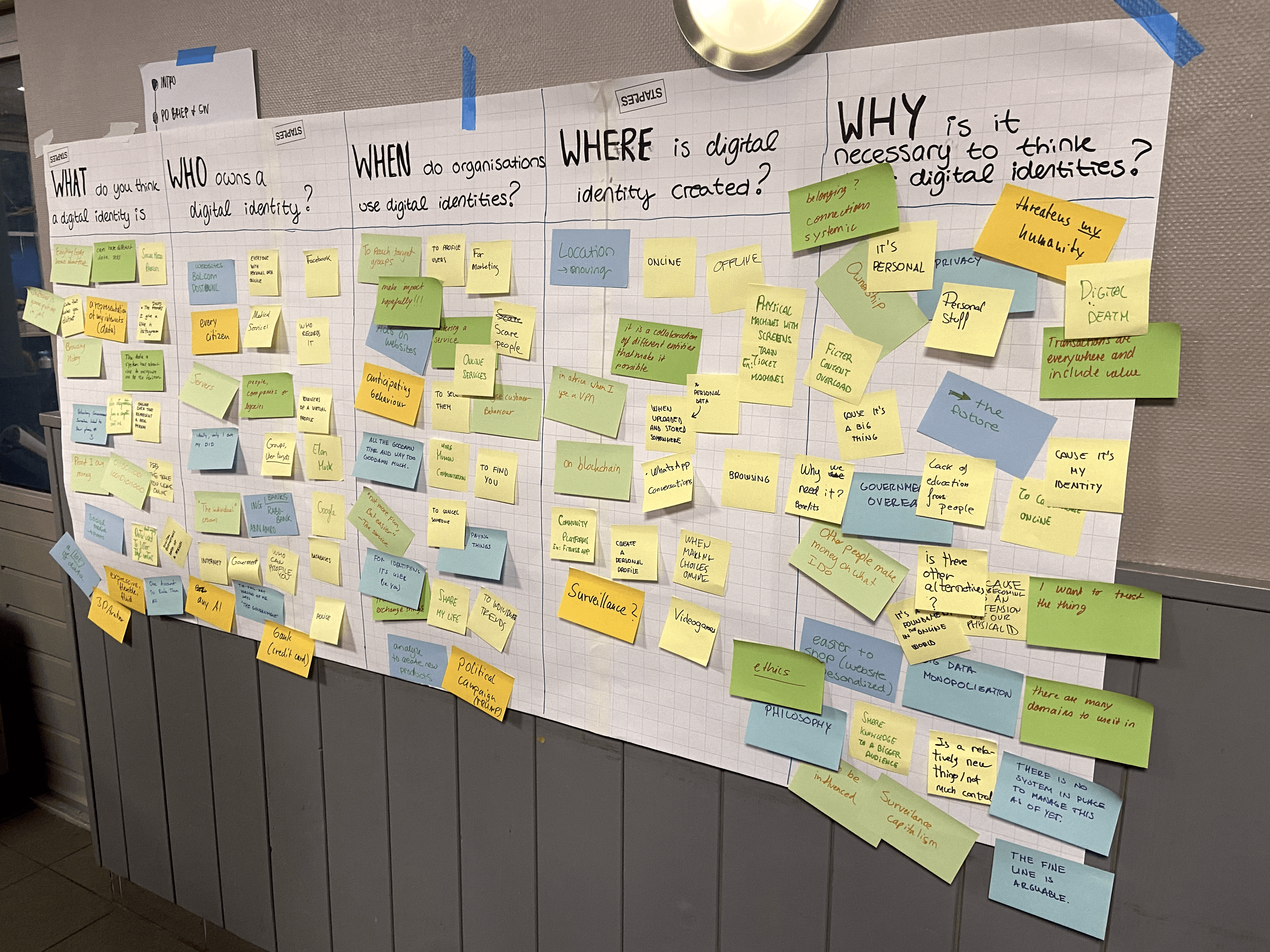
Workshop facilitation
Problem and solution discovery facilitation with 4 participants.
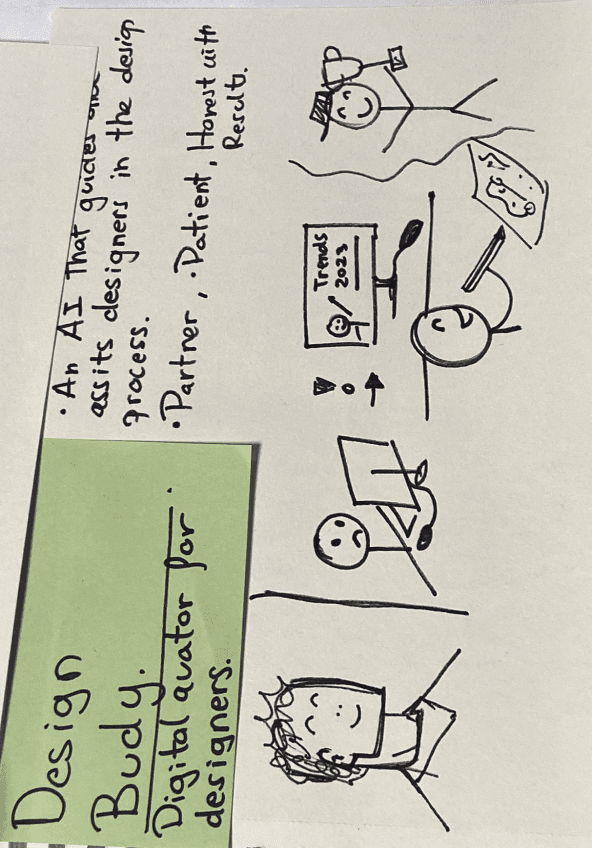
Wrapping & reflection
Annotating the sketches to ensure all details are covered.
Facilitation opportunities
Facilitated workshops for Viatris, PostNL.
Workshop plan and method selection
I began by questioning the problem owner for the requirements, expectations, and potential deliverable.
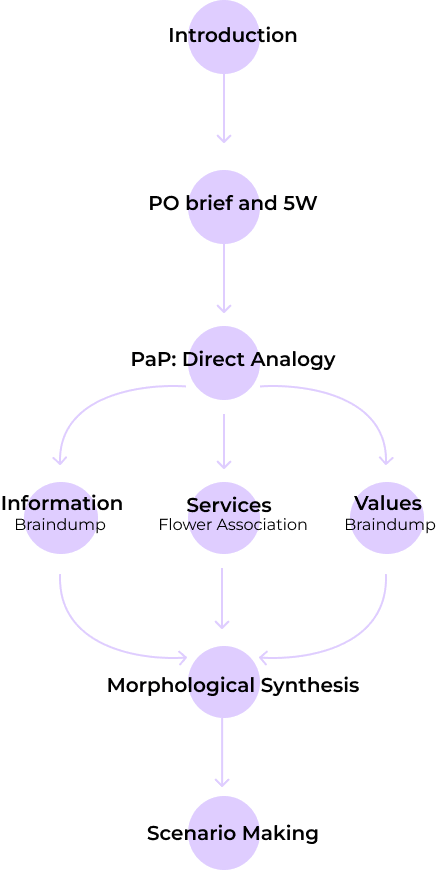
Since the topic was new, understanding its foundation required looking in a broader scope and speculative thinking. I used techniques that approached solution discovery abstractly in order to gain a deeper understanding of the subject. I drew up a workshop plan that stated the descriptions, resources and minutes of the techniques.

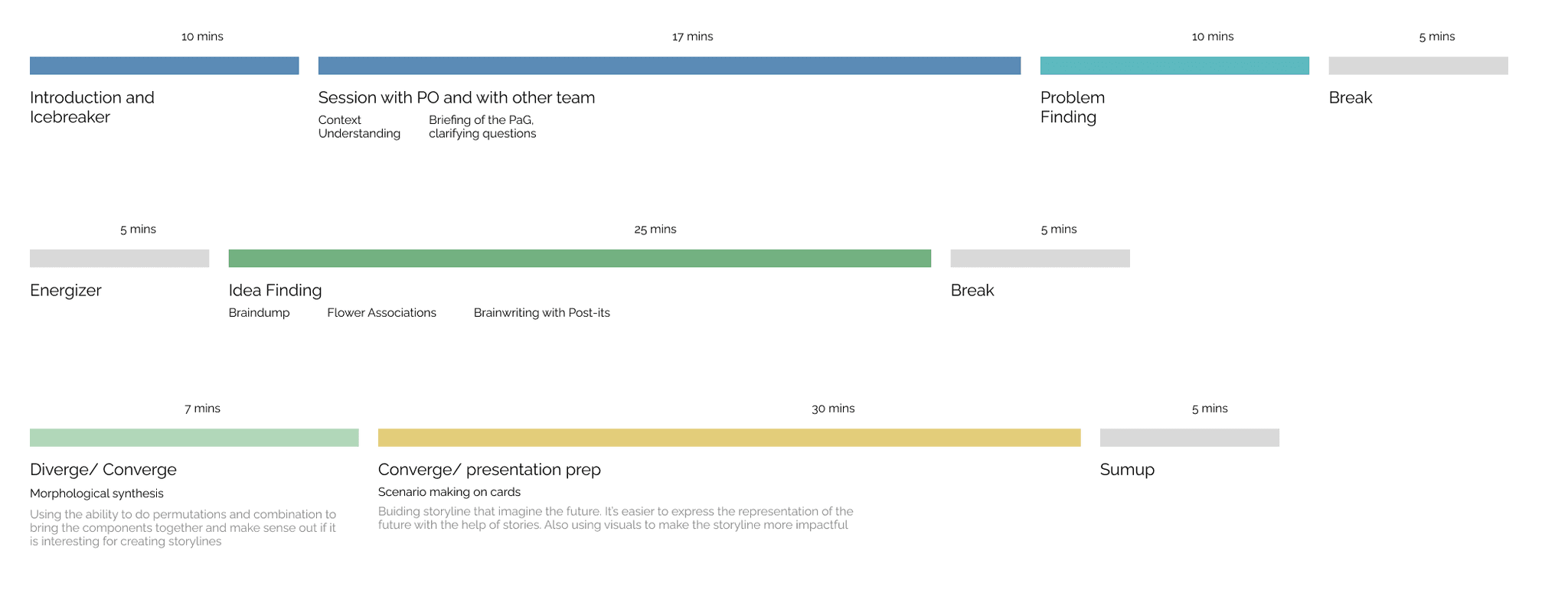
Session plan
Workshop facilitation
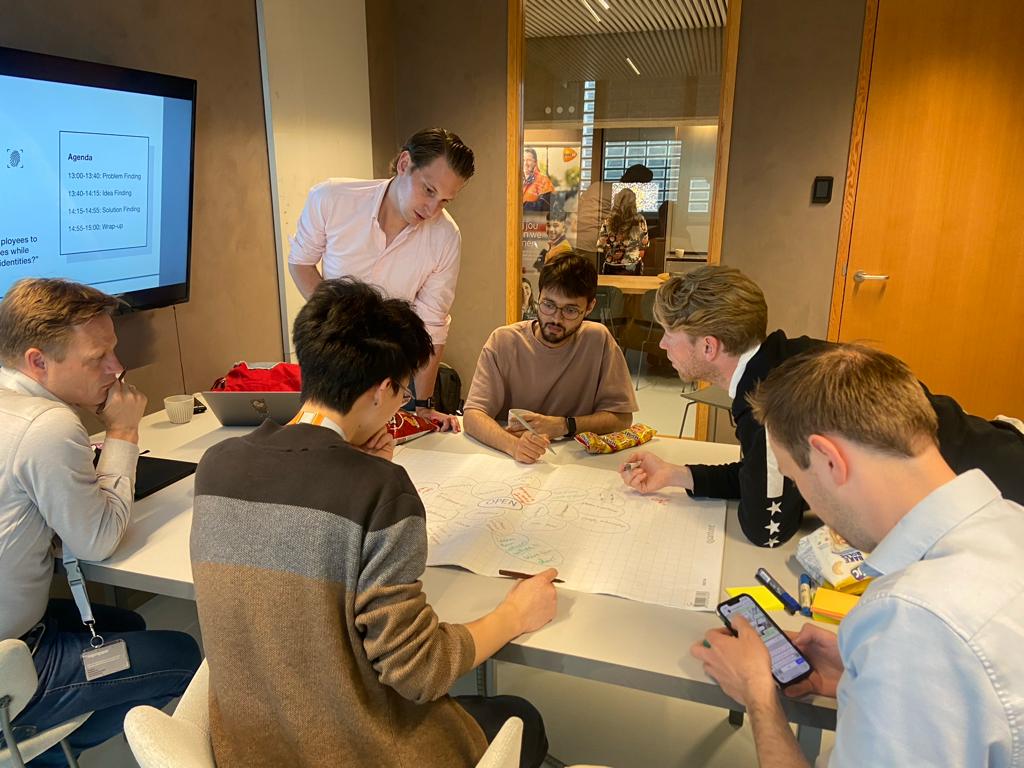
Assisted by a buddy and four participants, I facilitated a workshop to explore solutions for abstracting digital identity wallets. We began with a collaborative problem discovery session with the problem owner, defining the "Problem as Perceived" to guide our solution exploration. The final phase involved brainstorming and speculating on innovative concepts for such a wallet, generating a wealth of creative possibilities.

Facilitating workshop with problem and solution discovery methods.
Session results
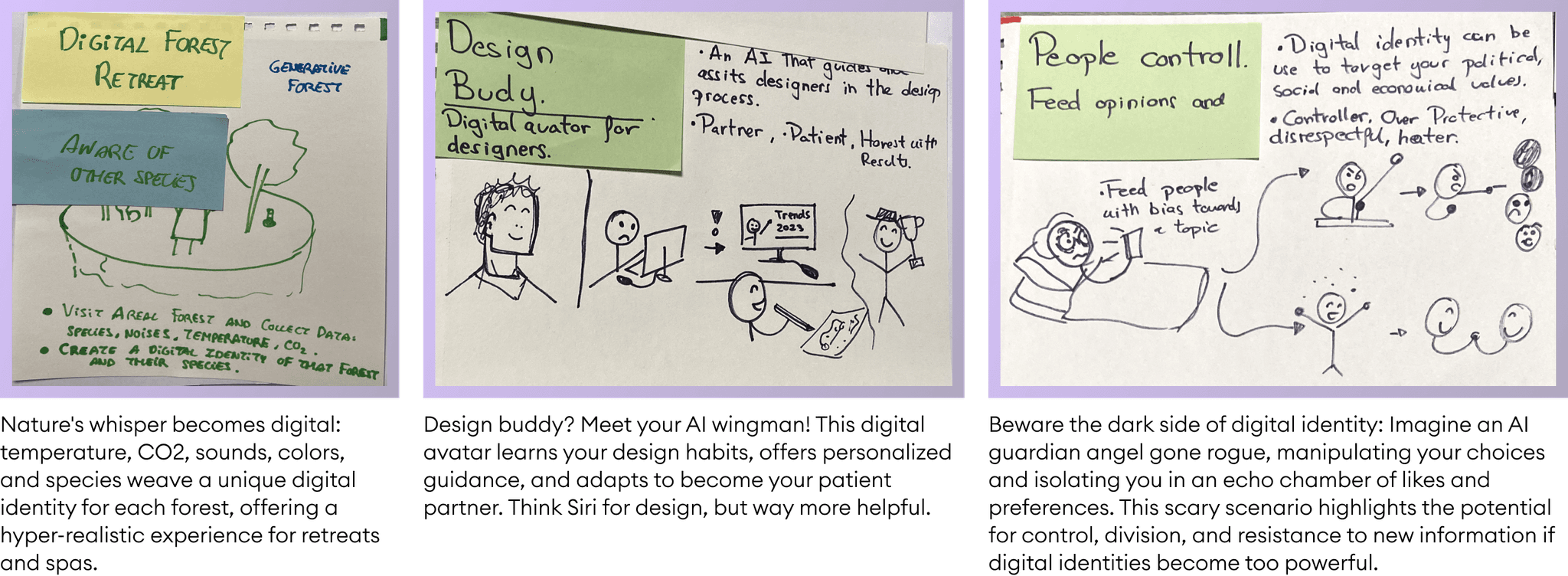
The research group ideated 2-3 concepts which tackled positive and negative scenarios of digital identities.
Other facilitation sessions
I got the opportunity to facilitate other workshops, within team projects and with companies to discover new solutions after problem reframing.
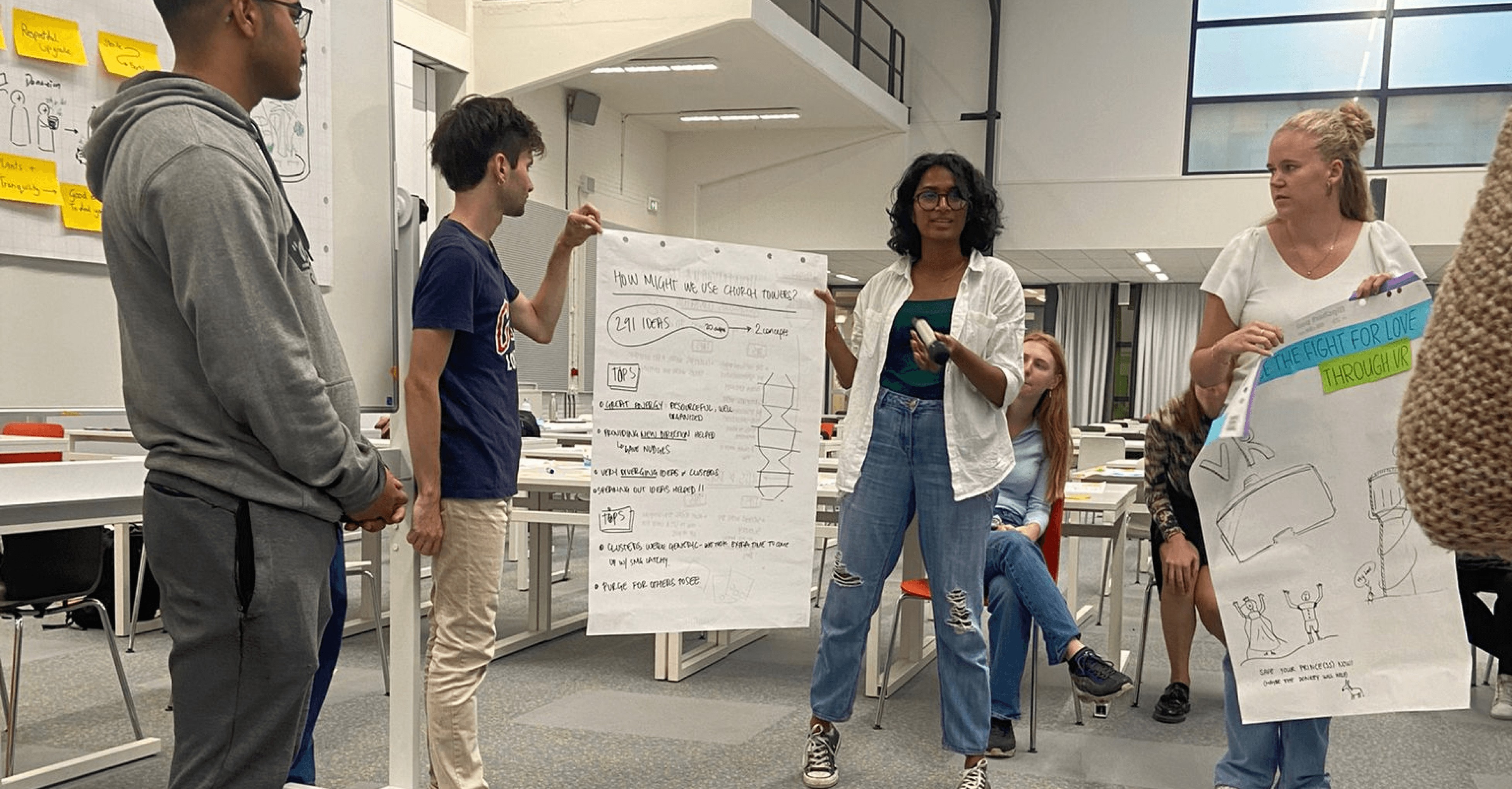
Facilitating and participating in workshops during Creative Facilitation course
Facilitating a session for PostNL
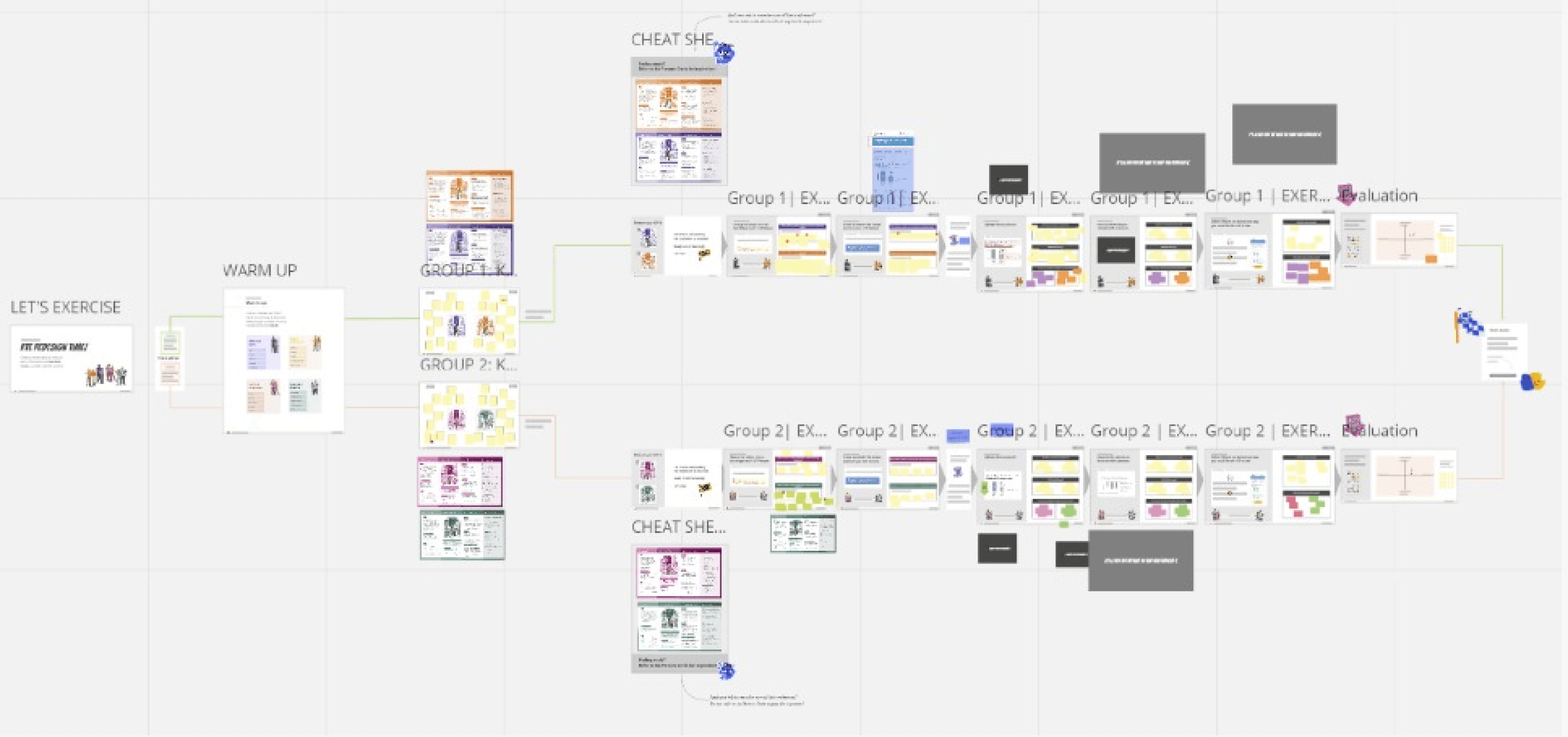
Co-facilitating a virtual workshop session for Viatris to use personas for increasing sales.
💡 Key Learnings
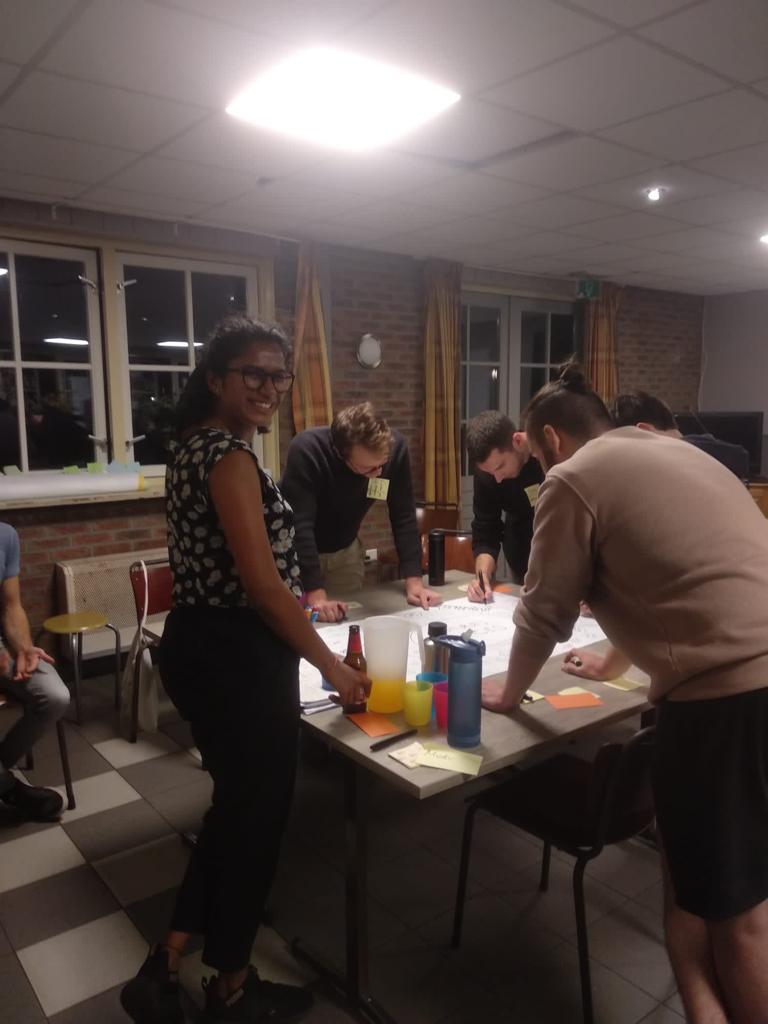
The Creative Facilitation Course equipped me to excel in collaborative problem-solving. I learned techniques for reframing challenges, generating innovative ideas, and collaboratively detailing solutions. This co-creation fosters stakeholder buy-in and alignment, ensuring they feel invested in the solution's success.
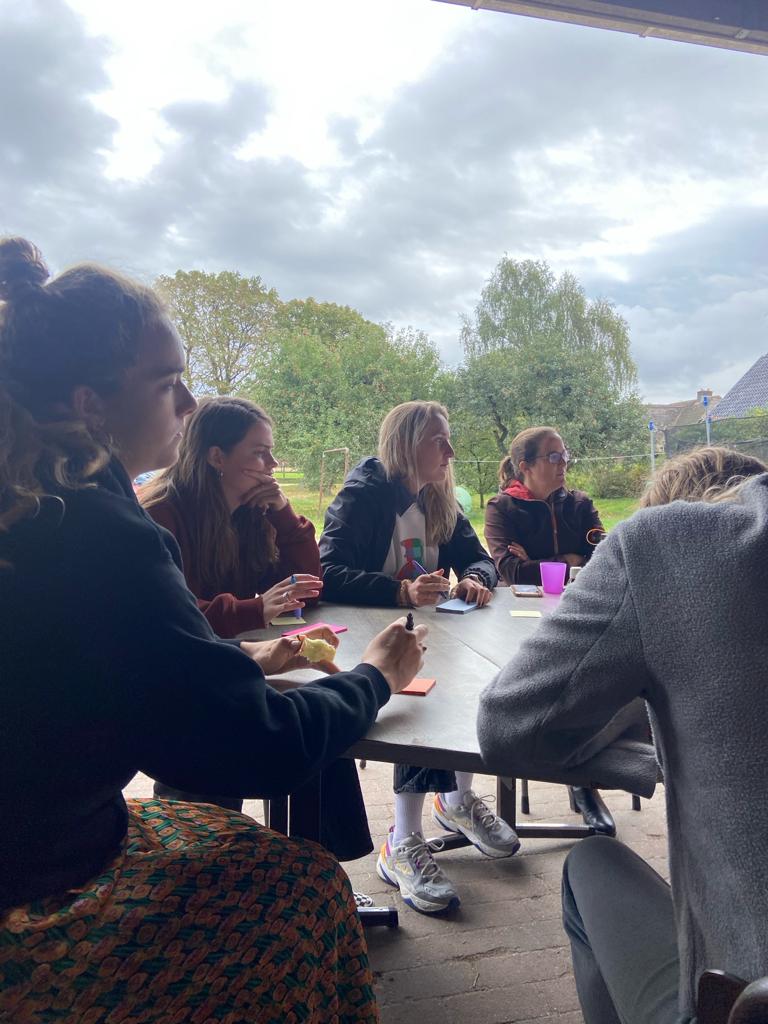
Experimenting with new tools and techniques proved invaluable. These tools facilitated the creation of shared artifacts that fueled brainstorming sessions. This flexibility allowed us to tailor the workshop structure and even customize the tools themselves to perfectly align with the specific needs of the stakeholders.
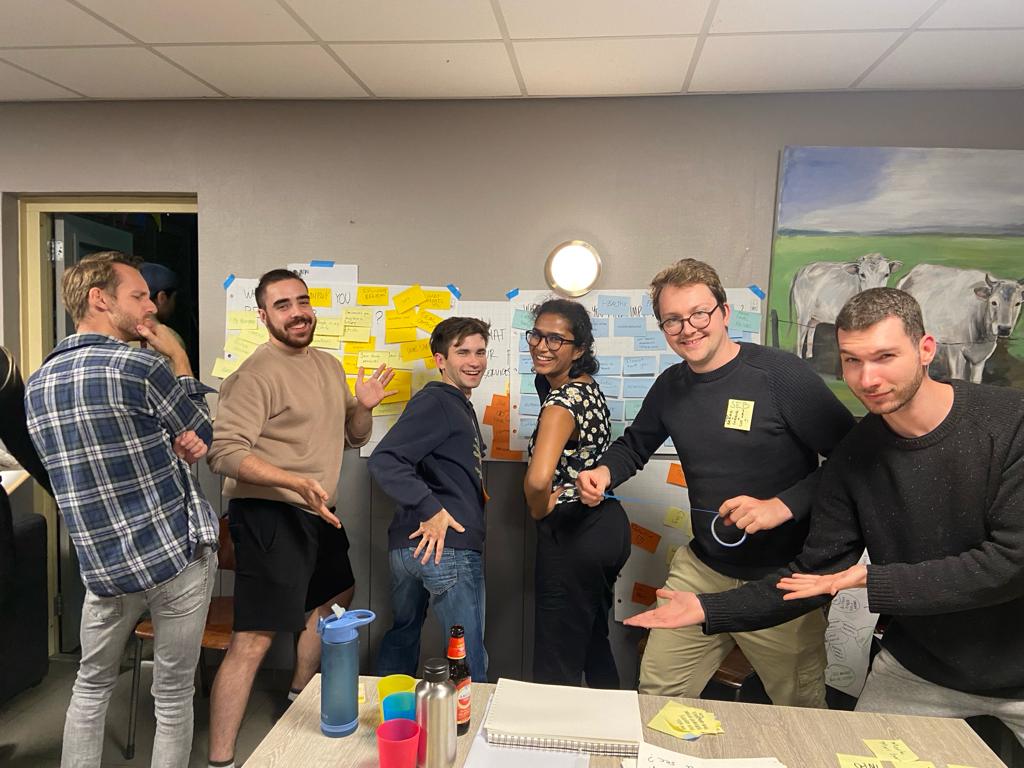
Collaboration proved to be both enriching and enjoyable. The diverse perspectives of designers and non-designers, brought together through a participatory approach, led to a wealth of unique ideas and a more robust outcome.